Seven weeks until the winter solstice. A slightly dramatic, highly practical survival guide for those of us with Seasonal Affective Disorder.
Okay, SAD people. It’s November 1st.
We have approximately seven weeks until December 21st, the winter solstice, when the days FINALLY start getting longer again.
And I don’t know about you, but I need a finish line.
Not because December 22nd is going to magically fix everything. Wisconsin winter will still have several months of nonsense left to offer. But because knowing we’re moving toward the light, even by a minute at a time, gives me something to hang on to.
Before we get into our emergency preparedness kits, though, we need to clear something up.
Before You Tell Me to Just Enjoy Winter
I can already hear it.
“But winter is so beautiful!”
“Have you tried getting outside?”
“Maybe you just need to embrace the season!”
Respectfully, I am going to need you to put down your peppermint mocha and listen.
Seasonal Affective Disorder is not the same thing as disliking winter.
It’s not a bad attitude. It’s not a personality flaw. It’s not being dramatic because you have to scrape your windshield.
Seasonal Affective Disorder, or SAD, is a form of depression that follows a seasonal pattern. For many of us, symptoms show up as daylight decreases in the fall and winter.
It can affect our energy, mood, sleep, concentration, motivation, and ability to enjoy things we normally love.
And yes, I can appreciate a beautiful snowfall while simultaneously feeling like my brain has been unplugged from its charging station.
Those two things can exist at the same time.
I can love a cozy fire, a good sweater, and a snowy walk through the woods and still struggle with the biological effects of shorter days.
I am not refusing to enjoy winter.
I am actively working to make winter more enjoyable while managing something very real.
There’s a difference.
Welcome to the SAD Survival Club
Now that we’ve established that, let’s get organized.
Because I refuse to let November sneak up on me like some sort of seasonal home invasion.
This year, we’re preparing.
We’re not waiting until we’re exhausted, overwhelmed, and crying because the sun went down before we finished answering emails.
We’re building our little winter survival systems now.
And if some of those systems involve excessive blankets, fireplace remotes, and library books, so be it.
1. We’ve Got Our Vitamin D Situation Handled
First things first, we’re checking in on the basics.
Vitamin D is worth discussing with your healthcare provider, especially if you’re at risk for deficiency. It isn’t a proven standalone treatment for SAD, and more isn’t automatically better.
We’re not randomly taking handfuls of supplements because someone on Instagram told us to.
We’re being responsible adults.
Annoying, I know.
2. Happy Lights Are Within Arm’s Reach
If you’ve never used a light therapy lamp, this is your invitation to learn about one.
Bright light therapy is an established treatment option for winter-pattern SAD. A commonly recommended setup is a 10,000-lux light box used for about 20 to 30 minutes in the morning, although the right approach depends on your circumstances.
A proper light therapy box is designed to filter out harmful ultraviolet light. It isn’t just a bright desk lamp.
And it’s worth checking with your healthcare provider before starting, especially if you have certain eye conditions, bipolar disorder, or take medications that increase light sensitivity.
We’re going to give our brains a fighting chance.
3. We’ve Rearranged the Furniture to Face the Sun
I am not kidding about this one.
My office is positioned to take advantage of whatever daylight Wisconsin decides to provide.
If the sun is going to make a guest appearance for approximately seventeen minutes, I would like a front-row seat.
Open the curtains. Move the chair. Take your coffee to the sunny window.
Natural daylight isn’t a replacement for treatment, but getting outside and making the most of daylight can be a helpful part of a winter routine.
We are basically houseplants with mortgages.
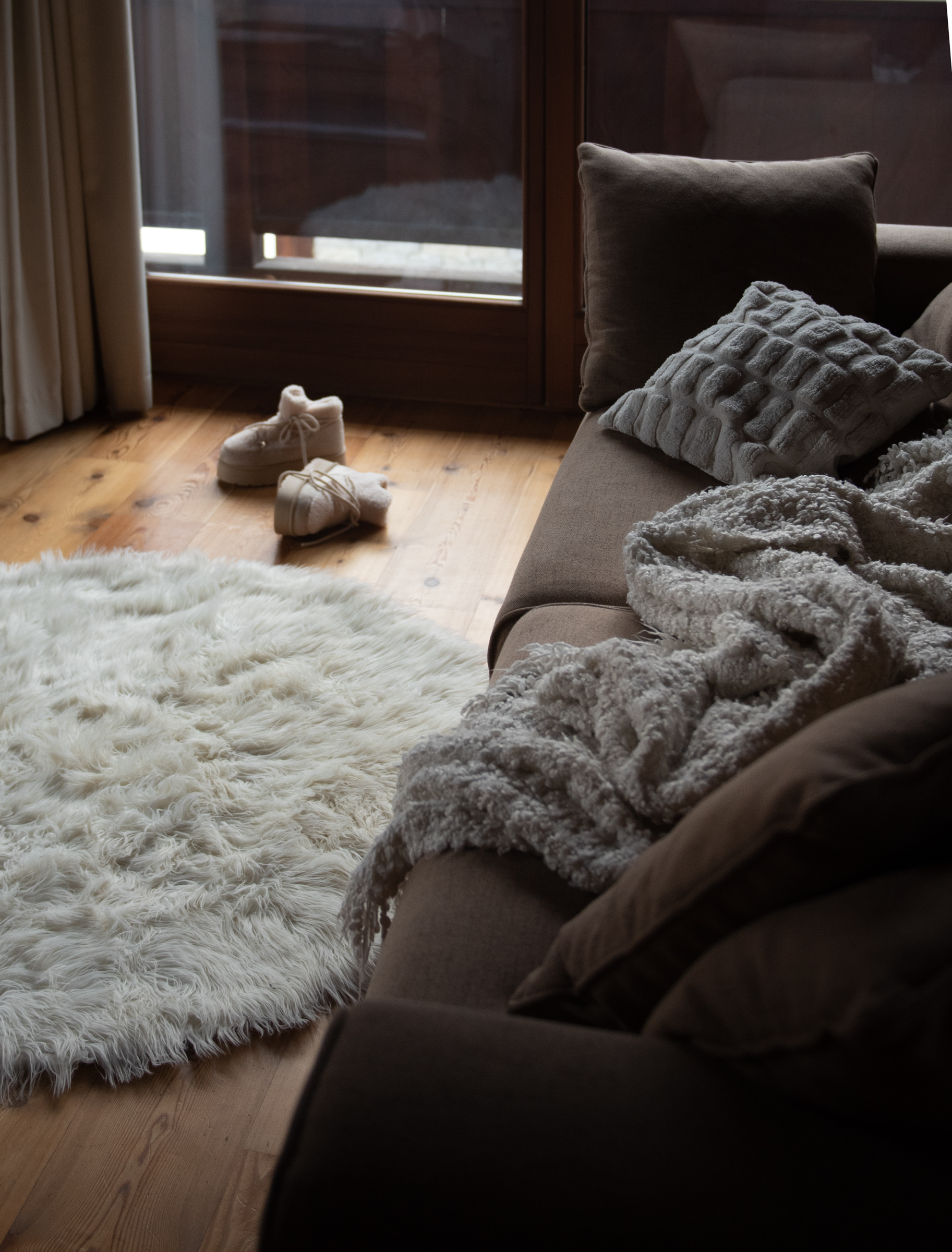
4. Fireplace Remotes Are Permanently Attached to Our Bodies
I don’t know who needs to hear this, but you are allowed to make your environment ridiculously comfortable.
Light the fire.
Get the soft blanket.
Wear the fuzzy socks.
Turn on the lamps at four in the afternoon.
There is no prize for enduring winter in an uncomfortable house.
If I’m going to be fighting seasonal depression, I would prefer to do it under a very expensive blanket.
5. We’ve Cleaned Up Our Instagram Feeds
This one is important.
Winter is not the season for consuming content that makes you feel like you’re failing at life.
Unfollow the accounts that make you feel inadequate.
Mute the people who insist that every morning needs to begin with an ice bath, a five-mile run, and a green smoothie.
Follow people who make you laugh.
Follow people who remind you that rest is productive, too.
Follow people who understand that sometimes getting dressed and leaving the house is the accomplishment.
Protect it.
6. Hats and Mittens Are Ready for Fresh-Air Breaks
Here’s where I surprise everyone by admitting that getting outside really does help me.
Not because winter is magical every single day.
But because fresh air, movement, and daylight can make a difference in how I feel.
Even when it’s cold.
Especially when I’ve been sitting at my desk for six hours wondering why I suddenly hate every project I’ve ever started.
We’re not training for an Arctic expedition.
We’re taking the dogs outside.
We’re walking around the block.
We’re standing in the sunshine like little lizards whenever the opportunity presents itself.
Ten minutes counts.
7. Bath Bubbles Have Been Stockpiled
This is where our winter survival plan starts looking suspiciously like a spa brochure.
Good.
Hot baths. Cozy pajamas. Candles. A book.
We’re making the evenings something to look forward to instead of something to dread.
Because when darkness arrives before dinner, the evening can feel approximately nine hours long.
We need rituals.
Preferably ones that smell good.
8. The Crockpot Is Entering Its Busiest Season
I love cooking.
I do not love trying to decide what to make for dinner when it’s pitch black outside and my motivation has already gone to bed.
Enter the slow cooker.
Soup. Chili. Stew. Anything that makes the house smell wonderful and requires very little participation from me at 5 p.m.
Future Katy deserves dinner.
Present Katy is going to help her out.
9. Our Libby Holds Are Absolutely Out of Control
If you haven’t discovered Libby, the library app that lets you borrow ebooks and audiobooks through participating libraries, please consider this your official invitation.
I want books waiting for me.
I want options.
I want to be able to crawl into bed at 7:30 and enter an entirely different universe.
And I would like to do so without spending $87 at the bookstore every week.
Is this escapism?
Perhaps.
Is it significantly better than doomscrolling until midnight?
For me, absolutely.
10. We’re Not Waiting Until Things Get Bad to Ask for Help
This is the less funny part, but probably the most important.
A cozy blanket is wonderful.
A crockpot is convenient.
A walk outside can help.
But none of those things replaces appropriate care for depression.
If you experience SAD, it’s worth making a plan with a qualified healthcare professional before symptoms become overwhelming.
Treatment may include light therapy, psychotherapy, medication, or a combination of approaches.
And if the things that usually help aren’t helping, that’s information worth paying attention to.
We can have a sense of humor about our survival kits while still taking our mental health seriously.
December 21st Is Our Finish Line. Sort Of.
Here’s what I know.
I can’t control how much daylight Wisconsin gets.
I can’t manifest the sun into setting at 8:30 p.m. in November, although believe me, I’ve considered trying.
And I can’t simply decide not to experience Seasonal Affective Disorder.
But I can create an environment that supports me.
I can plan around my energy instead of constantly fighting it.
I can stop expecting Winter Katy to operate exactly like Summer Katy.
I can give myself permission to slow down without deciding that slowing down means something is wrong with me.
December 21st is not a cure. Symptoms may continue well beyond the solstice.
But it’s a turning point.
The days start getting longer again.
And sometimes, knowing that the light is coming back is enough to make the next seven weeks feel a little less intimidating.
So gather your blankets.
Charge your happy lights.
Put your fireplace remotes in your pockets.
Reserve your books.
We are not going quietly into the darkness.
WE RIDE AT DAWN.
Which, unfortunately, is around 7:30 now.
And we’re going to need coffee.
Your permission slip: You are allowed to build a winter that supports the person you actually are, not the person you think you should be.
You don’t have to love every season to take good care of yourself through it.
What’s in your SAD survival kit? Tell me what I’m missing, because we’ve got seven weeks and I am taking suggestions.
Note: This post shares personal experience and general information, not individualized medical advice. If you’re experiencing symptoms of depression, talk with a qualified healthcare professional about treatment options.